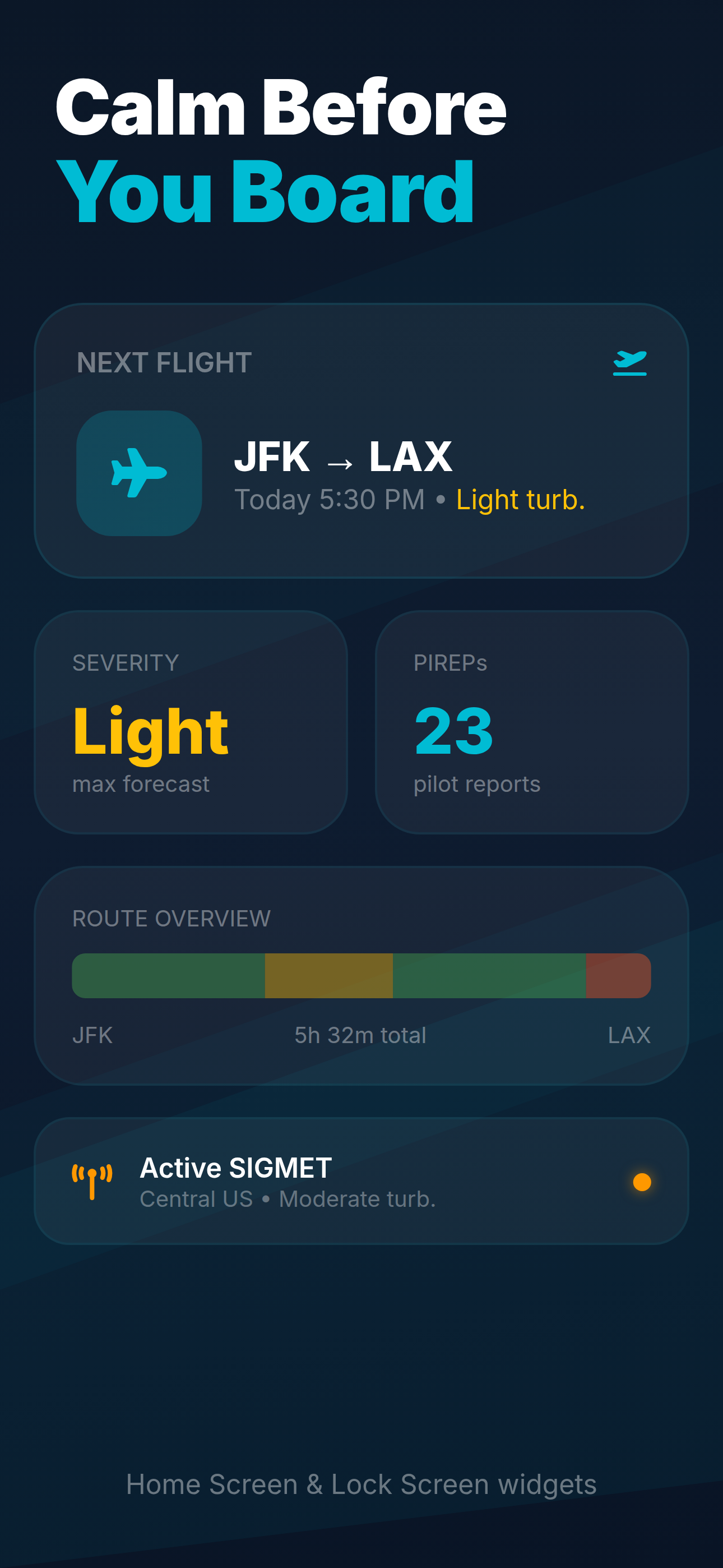
PHL to CTS Turbulence Forecast

Is the Philadelphia to Sapporo flight turbulent? Live forecast & historical patterns.
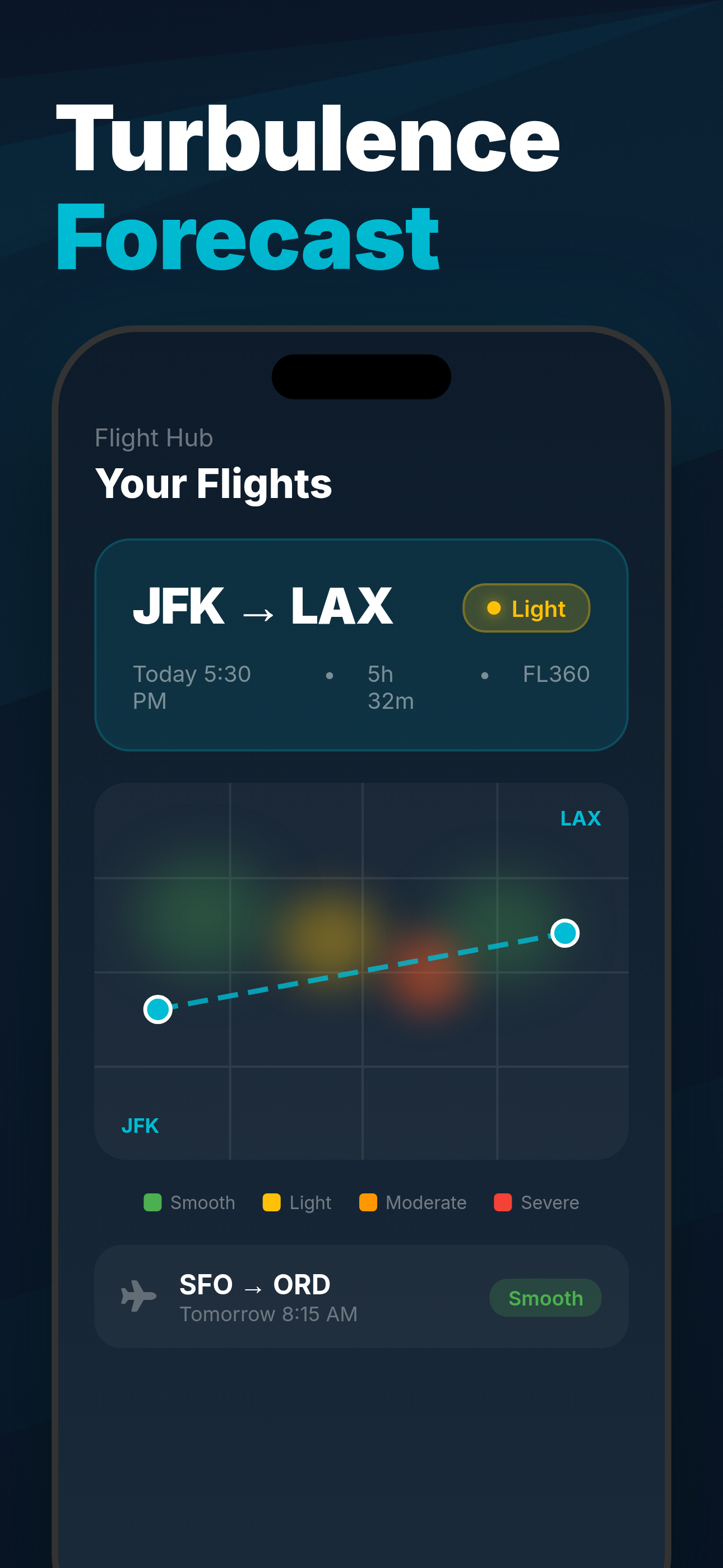
Live forecast
PHL
CTS
Philadelphia · Sapporo · 12h 35m
36.0
Turb Score
12h 35m
Duration
5,455 nm
Distance
37,000 ft
Cruise Alt.
Light
Typical
Turbulence Forecast app — PHL to CTS
⚠️ Light turbulence today
Get exact timing, altitude & best seat — free
Download free on the App Store ★★★★★ 4.8 · 20K+ reviews Get it on Google Play ★★★★★ 4.8 · 20K+ reviews
★★★★★ 4.8 · 20,000+ reviews · iOS & Android
Scan to download Turbulence Forecast
Scan to get the full forecast ★★★★★ 4.8 · 20,000+ reviews · iOS & Android · Free

Typical turbulence along the route

Historical average pattern for PHL–CTS

Smooth Light Moderate
0h1h2h3h4h5h6h12h 35m
Smooth
Light
Moderate
Heavy

About the PHL–CTS route

The Philadelphia to Sapporo route spans the Pacific Ocean — one of the longest commercial flight paths in the world at 6,278 miles. The Pacific jet stream creates moderate turbulence, typically around 3–7 hours into the flight. The sheer length of the route means passengers experience varying conditions: calm stretches punctuated by bumpy patches.

The route is served by United, American Airlines, Delta on Boeing 777 · Airbus A350 aircraft, with flights typically cruising at 37,000 feet over a distance of 6,278 miles (5,455 nautical miles).

💡 Tip: Long flight — turbulence varies throughout. Wing seats significantly reduce motion.

Philadelphia to Sapporo Flight Time

How long is the flight from PHL to CTS?

12h 35m
Flight Time
6,278 mi
Distance
37,000 ft
Cruising Altitude
Boeing 777
Aircraft

The Philadelphia (PHL) to Sapporo (CTS) flight takes approximately 12h 35m, covering 6,278 miles (5,455 nautical miles) at 37,000 feet. The route is operated by United, American Airlines, Delta. Return flights (CTS to PHL) take a similar time, though westbound transatlantic and transpacific routes are typically 30–60 minutes longer due to headwinds.

Turbulence levels on PHL–CTS

What to expect at each phase of the flight

SmoothDeparture & arrival — climb and descent phases are generally calm
LightMinor bumps — drink stays in your cup, walking feels slightly unsteady
ModerateNoticeable bumps — stay seated with seatbelt on, service may pause
HeavyStrong jolts — unsecured items move, crew seated. Rare but possible

Get minute-by-minute timing for your specific flight

Download on the App Store ★★★★★ 4.8 · 20K+ reviews Get it on Google Play ★★★★★ 4.8 · 20K+ reviews

Best time to fly PHL–CTS

Turbulence by month

J
F
M
A
M
J
J
A
S
O
N
D
Smooth
Light
Moderate
Rough

Best seat on PHL–CTS

Boeing 777

Front
Rows 1–19
Light
✓ Wing
Rows 20–38
Smoothest
Rear
Rows 39+
Rougher
Wing seats are over the center of gravity — least affected by turbulence.

What you'll see in the app

Full forecast, live map & seat recommendations
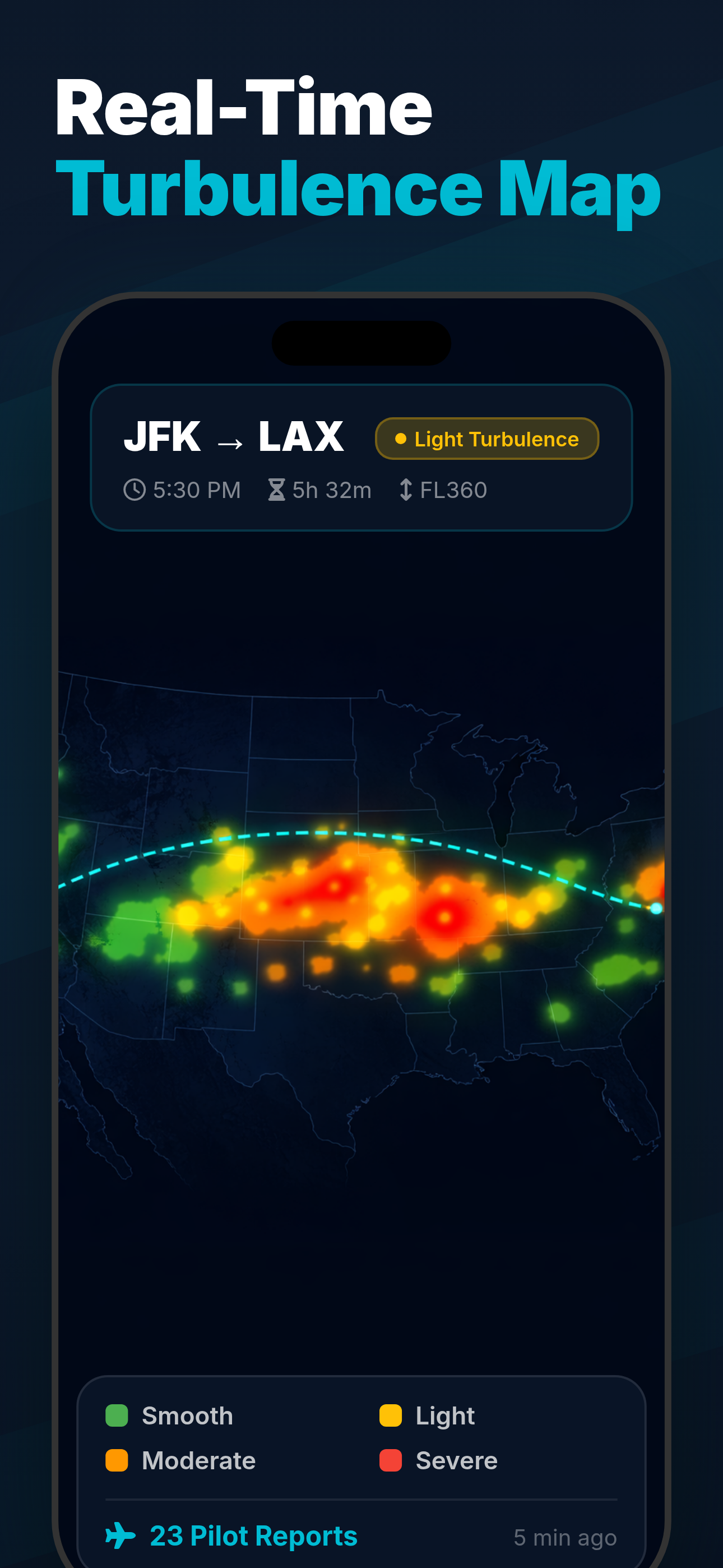
PHL to CTS turbulence forecast app
Flight turbulence tracker
Real-time turbulence map

Similar routes

Other popular routes with turbulence data

See all transpacific flights →

Related guides

Learn more about flight turbulence

Turbulence Tracker
Track any flight in real time
Best Seat Guide
Which rows feel turbulence least
Clear-Air Turbulence
The invisible rough air that's increasing
Turbulence in 2025
Is turbulence getting worse?
Turbulence Forecast Map
Global turbulence outlook

Passenger Reports

The 12h 35m flight had some light shaking around the halfway point. Nothing spilled, nobody panicked. Just normal flying.
Leisure traveler · April
Flew Philadelphia–Sapporo in January, had some light turbulence in the middle portion of the flight. Brief and nothing concerning. This route is usually fine.
Business traveler · January
There was some noticeable movement over the North Pacific that made me grip the armrest. My seatmate (clearly a regular) didn't even look up from their book. Perspective.
First-time flyer · January
All PHL routes All CTS routes

Frequently asked questions

Is the Philadelphia to Sapporo flight turbulent?
The PHL–CTS route typically experiences light turbulence. Light turbulence may occur — mostly smooth with occasional bumps. The turbulence score for this route is 36.0/100.
When is turbulence worst on PHL to CTS?
Long flight — turbulence varies throughout. Wing seats significantly reduce motion. Check the turbulence chart above for the typical pattern along this specific route.
Which seat is smoothest on PHL to CTS?
Wing seats are always the smoothest. On a Boeing 777 (the most common aircraft on this route), that's rows 20–38. Avoid the very rear of the aircraft — it amplifies turbulence motion.
How long is the flight from PHL to CTS?
The PHL to CTS flight takes approximately 12h 35m, covering 6,278 miles (5,455 nautical miles).
Which airlines fly PHL to CTS?
The main airlines operating this route are United, American Airlines, Delta, flying Boeing 777 · Airbus A350 aircraft.

Data Sources

Scores represent typical conditions. Actual turbulence varies daily. For real-time forecasts, use the Turbulence Forecast app. · About our data